Neuropathy Rarely Stops on Its Own — and the Longer It Progresses, the Harder It Is to Reverse.
What begins as mild tingling can progress into burning and persistent numbness, escalating into progressive nerve destruction and increasing the risk of severe complications when action is delayed beyond the early stages.

If You’re Searching How to Reverse Neuropathy, This Is Likely Why
Most people don’t realize this, but neuropathy doesn’t start “all at once.”
IIt usually begins with silent internal damage — toxins interfering with essential B vitamins, triggering an enzyme that slowly erodes the protective coating around your nerves.
That’s why:
* Medications often only dull the pain
* Vitamin supplements may fail if absorption is blocked
* Creams and massages don’t reach the structural damage
*And many people keep getting worse, even while “treating” it
The real issue isn’t just inflammation. It’s a progressive breakdown of the nerve’s protective insulation — allowing signals to misfire, weaken, and eventually fail.
That’s exactly what most people never hear about.
Once you understand what’s actually driving the silent progression, the idea of reversing it starts to make sense — especially before it reaches the point of no return.
Why Neuropathy Keeps Progressing — Even When You Try to Treat It
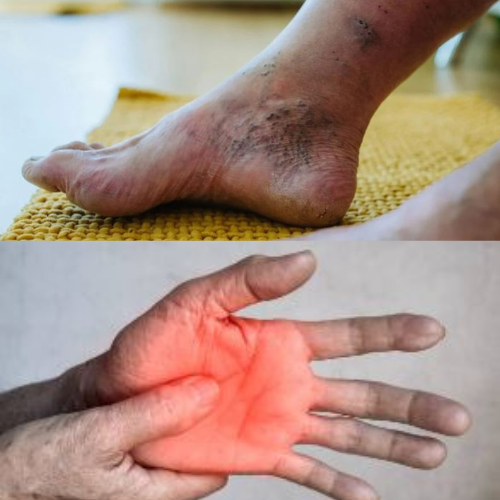
Here’s something most people with neuropathy never hear:
Neuropathy doesn’t keep getting worse because of age alone.
In many cases, it’s because something inside the body is quietly damaging the protective coating around your nerves every single day.
This silent breakdown weakens nerve signals and creates a progressive chain reaction — which is why:
* The tingling slowly spreads upward
* Burning sensations become more intense at night
* Numbness starts lasting longer
* Balance begins to feel unstable
The problem is that most treatments only try to dull the pain — not stop the structural nerve damage happening underneath.
As long as that internal damage continues, neuropathy rarely stabilizes.
What changed everything was understanding what’s actually triggering this silent progression — and how to interrupt it before the damage reaches a point where reversal becomes far more difficult.
That’s exactly what the method you’re about to see explains. It’s not about masking symptoms. It’s about stopping what’s driving the degeneration in the first place.
The “Okinawa Turmeric Protocol” Most People With Neuropathy Have Never Heard About
Before you watch the video, there’s something critical you need to understand.
There’s a rare form of turmeric grown in Okinawa that contains up to 25% concentrated curcumin — nearly 10 times more potent than standard turmeric.
It hasn’t been widely discussed — not because it’s unsafe, but because it doesn’t depend on lifelong prescriptions.
This isn’t a painkiller.
And it’s not a nerve-numbing drug.
It’s a specific way of using this high-concentration curcumin to help: Bind and flush out certain environmental toxins
Reduce the enzyme linked to myelin breakdown
Support the regeneration of the nerve’s protective coating
Interrupt the silent progression before it reaches the point of no return
Many people are shocked when they learn why this form of turmeric was studied in connection with nerve health — and why most standard supplements don’t contain it in meaningful concentrations.
The video explains what makes this Okinawa turmeric different, why potency matters, and how timing may determine whether nerve damage can still be reversed.
It’s not about masking symptoms. It’s about addressing what’s driving the degeneration in the first place.
Frequently Asked Questions (FAQ)
Can neuropathy really improve?
Neuropathy not improves on its own.
In most cases, it slowly gets worse — starting with tingling, then burning, then numbness.
But when you begin addressing what’s driving the problem — instead of just covering up the pain — many people report improvements in sensation, balance, and discomfort. The key is not waiting too long.
Why does neuropathy keep progressing?
Because it often starts quietly.
Even when pain feels manageable, the condition may still be moving upward — from the toes to the feet, then to the legs.
Neuropathy rarely stops on its own. That’s why early action matters.
What is the Okinawa Turmeric method?
The Okinawa Turmeric method is based on a rare form of turmeric grown in Okinawa that contains a much higher concentration of curcumin. Unlike regular turmeric, this form is described as being far more potent.
The idea behind it is simple: instead of numbing the nerves, it focuses on helping the body support nerve health from the inside.
Many people turn to this method because they are looking for something natural that supports the body — not just masks symptoms.
If I’ve had neuropathy for years, is it too late?
Many people who have struggled for years still report improvements when they begin focusing on supporting their nerves more directly.
What makes recovery harder is waiting too long without taking action. That’s why timing matters.